5 Beginner-Friendly Vegetarian Recipes That Are Healthy, Simple, and Flavorful
When I first considered vegetarian cooking, I assumed it would mean complicated recipes, bland meals, and constant hunger.
That mindset did not last long. Once I started focusing on simple ingredients and easy cooking methods, everything became more enjoyable.
Vegetables, beans, eggs, and grains began to feel comforting rather than limiting. Vegetarian meals stopped feeling like a challenge and started feeling practical, flavorful, and surprisingly filling. With the right approach, anyone can cook healthy vegetarian meals without stress or advanced skills.
1. One-Pan Vegetable Stir-Fry with Garlic Sauce
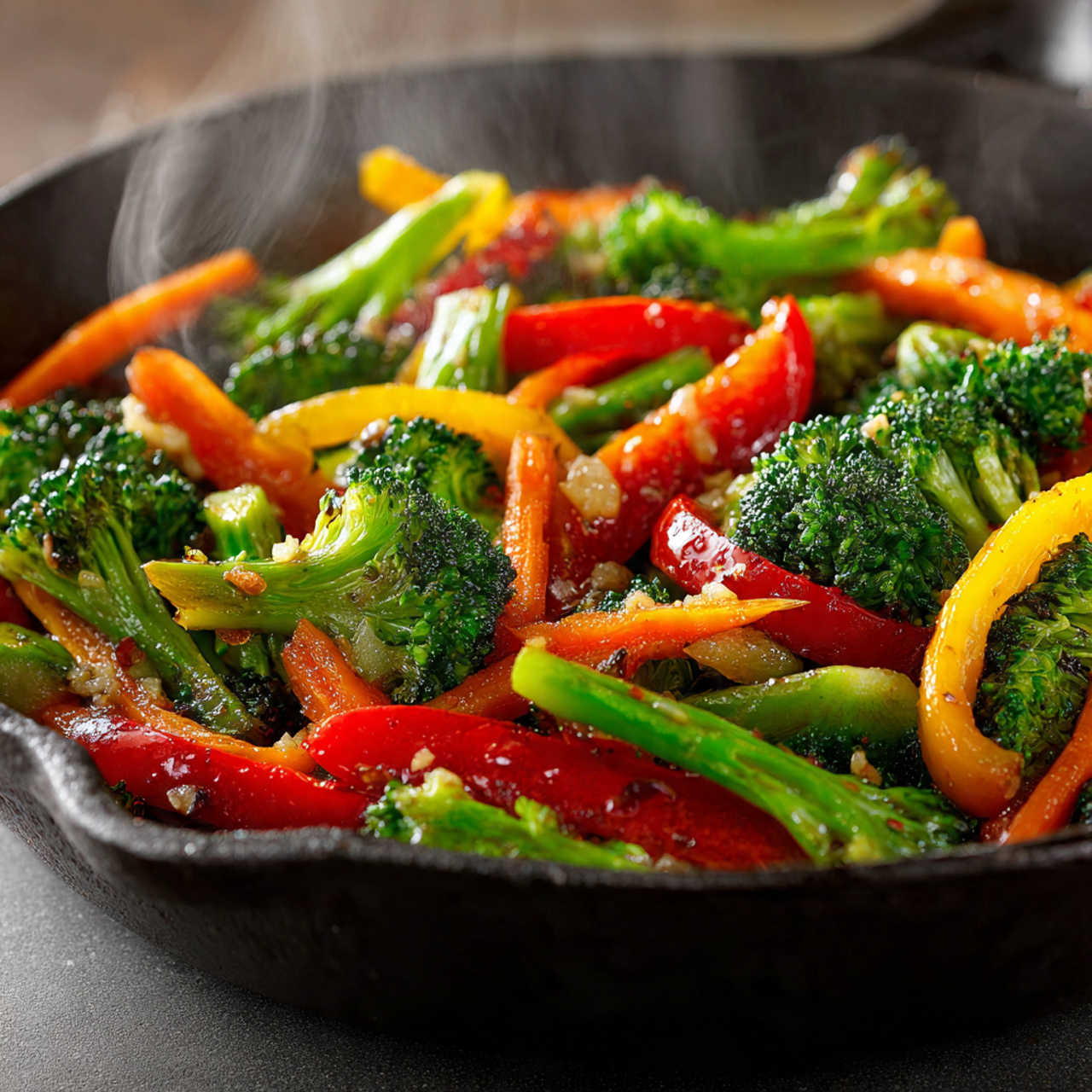
Vegetable stir-fries are one of the easiest ways to start vegetarian cooking. Everything comes together in one pan, which means less stress, fewer dishes, and faster meals after long days.
I love stir-fries because they forgive mistakes. Slightly overcook one vegetable, another still adds texture. The variety keeps the meal interesting, even when you repeat it weekly.
Choosing vegetables that cook evenly and taste great
Not all vegetables behave the same in a hot pan. Picking the right mix prevents soggy textures and uneven cooking, which can discourage beginners quickly.
Some reliable stir-fry vegetables include:
- Bell peppers for sweetness
- Broccoli for crunch
- Carrots for color and bite
Cutting them evenly makes cooking smoother and faster.
Simple ways to boost flavor without complicated sauces
You do not need bottled sauces or long ingredient lists. A simple garlic sauce adds depth without overpowering the vegetables.
A basic version often includes garlic, soy sauce, a little oil, and water. Cooked quickly, it coats everything lightly and keeps flavors clean.
2. Creamy Chickpea and Spinach Skillet
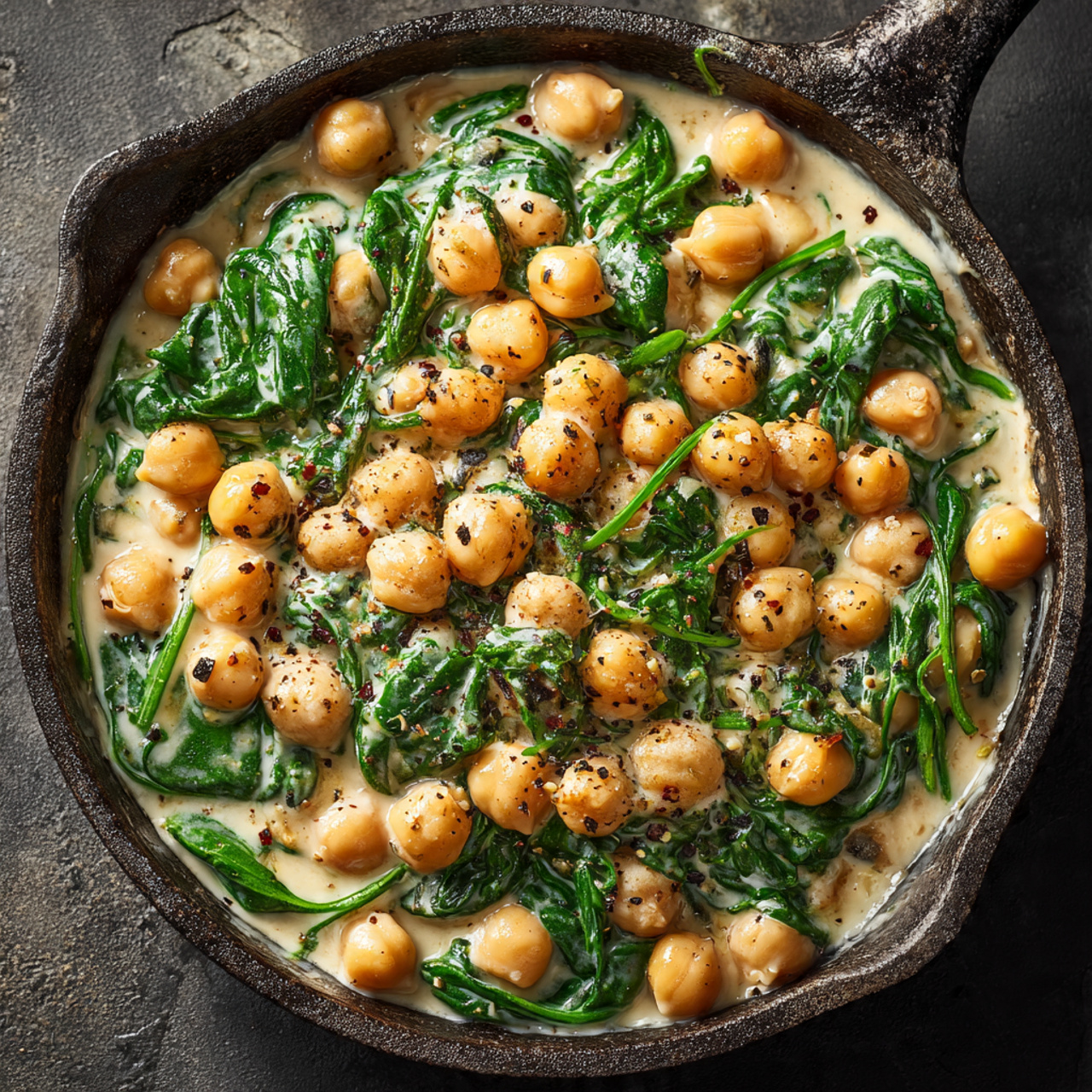
Chickpeas are one of the first vegetarian proteins I learned to trust. They are affordable, filling, and easy to cook straight from a can with minimal preparation.
They absorb flavors well and hold their shape, which makes them great for simple skillet meals that feel hearty without requiring advanced cooking skills.
Building creaminess without heavy ingredients
Creamy vegetarian meals do not need heavy cream or complicated steps. With the right approach, you can create richness while keeping things light and balanced.
Some simple ways to add creaminess include:
- Using yogurt or light cream
- Adding mashed chickpeas
- Stirring in a small amount of cheese
These options keep the dish comforting and approachable.
Easy seasoning ideas that keep it comforting
Seasoning makes the difference between bland and comforting. Gentle spices help chickpeas and spinach shine without overwhelming the dish.
Garlic, onion, black pepper, and a touch of paprika create warmth. Cooking them slowly builds flavor and makes the skillet feel cozy and satisfying.
3. Roasted Sweet Potato and Veggie Bowl
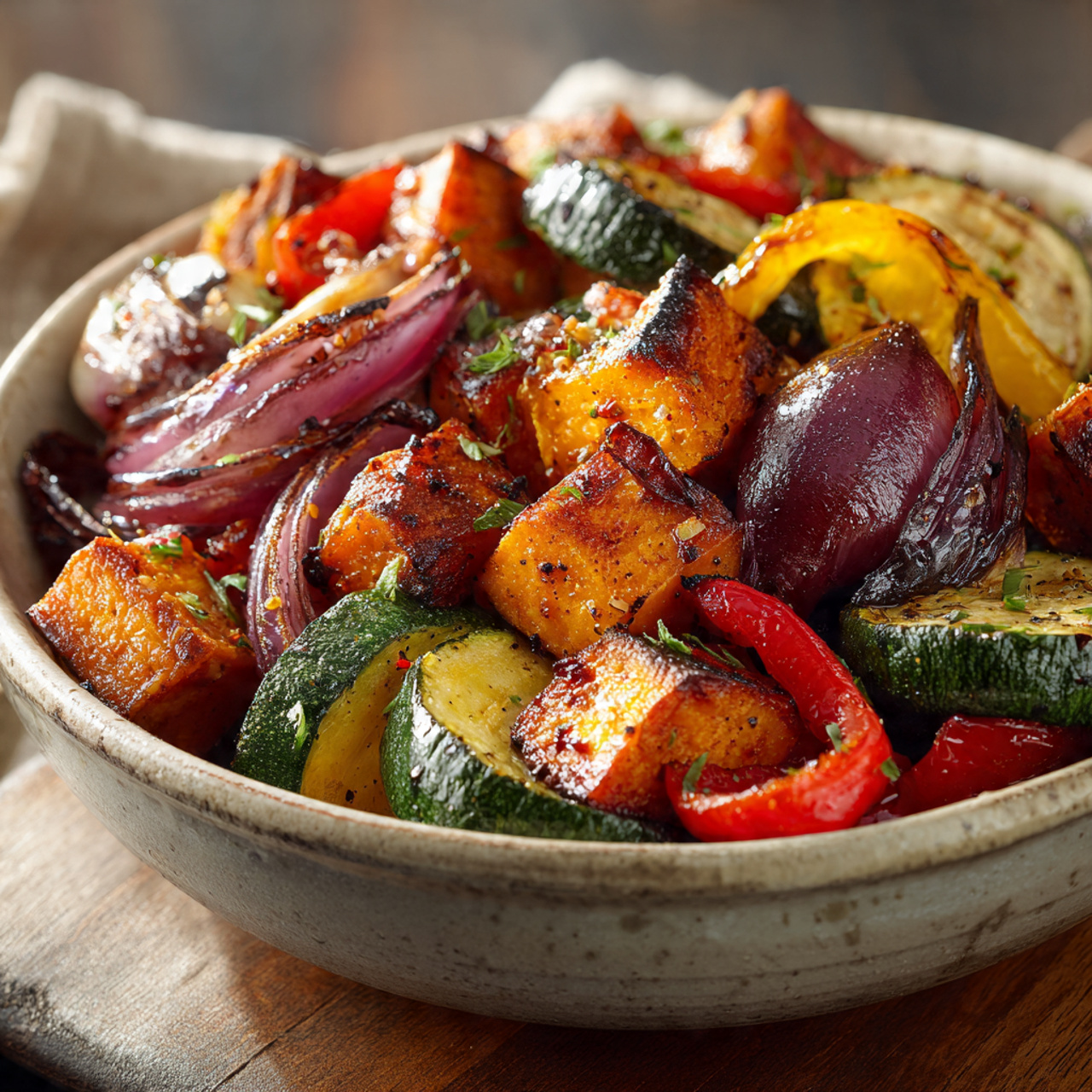
Roasting vegetables changed how I viewed vegetarian food. Heat transforms simple ingredients into caramelized, flavorful bites that feel indulgent without extra effort.
Sweet potatoes become soft and slightly crisp, while other vegetables deepen in flavor. This method makes vegetables exciting, even for skeptical beginners.
Vegetables that pair best with sweet potatoes
Sweet potatoes pair well with vegetables that balance their natural sweetness. Mixing textures and flavors keeps the bowl interesting and satisfying.
Good pairings include:
- Zucchini for softness
- Red onions for sharpness
- Bell peppers for brightness
Roasting them together creates a balanced, colorful bowl.
Simple bowl sauces that tie everything together
A good sauce brings the bowl together without stealing attention. It adds moisture and flavor while letting the roasted vegetables remain the focus.
Simple sauces can include yogurt with lemon, tahini with garlic, or olive oil with herbs. Drizzle lightly to keep flavors clean and fresh.
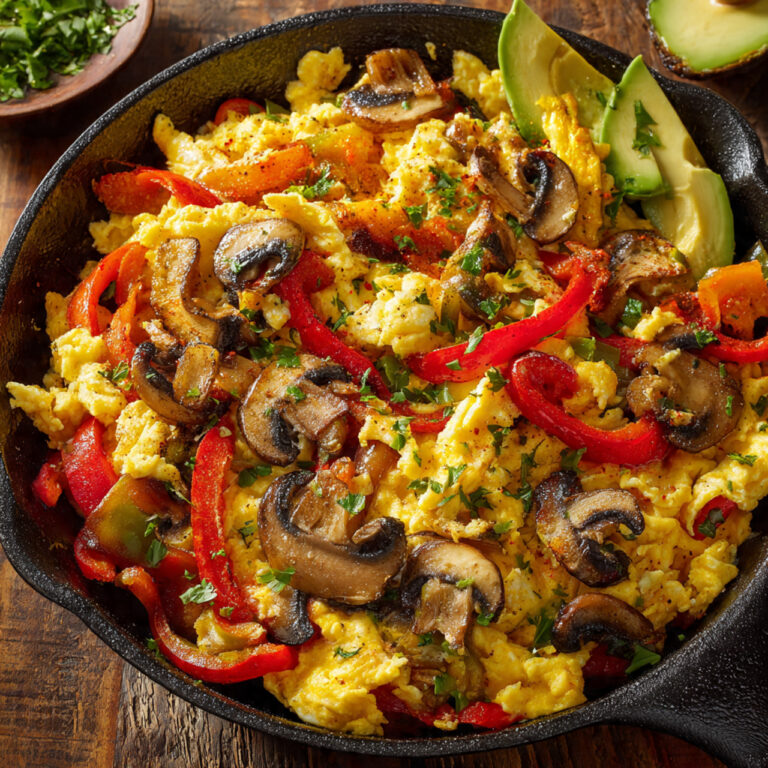
4. Vegetarian Egg and Vegetable Breakfast Scramble
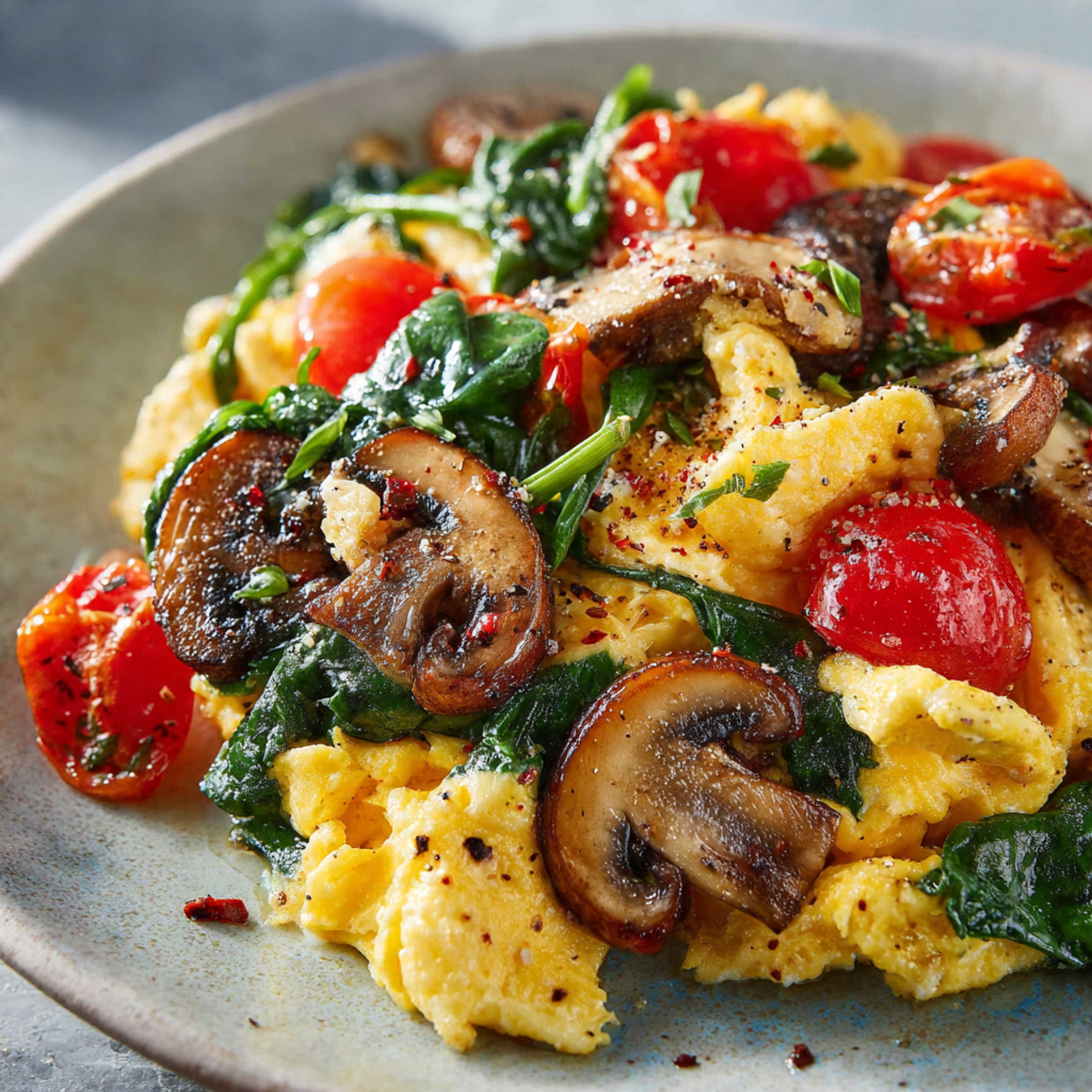
Eggs are a vegetarian staple for a reason. They provide protein, fat, and structure, which helps meals feel satisfying and prevents early hunger.
I rely on egg scrambles when I want something quick that still feels substantial. They adapt easily to whatever vegetables I have on hand.
Vegetables that work best in a quick scramble
Some vegetables cook faster and blend better with eggs. Choosing the right ones prevents watery scrambles and uneven textures.
Reliable options include:
- Spinach for softness
- Tomatoes in small amounts
- Mushrooms for depth
Cooking vegetables first improves texture and flavor.
How to enjoy this dish beyond breakfast
This scramble does not belong only in the morning. With small changes, it becomes a solid lunch or dinner option.
Serve it with salad, roasted vegetables, or avocado. These additions turn a simple scramble into a balanced, anytime meal.
5. Easy Lentil and Vegetable One-Pot Meal
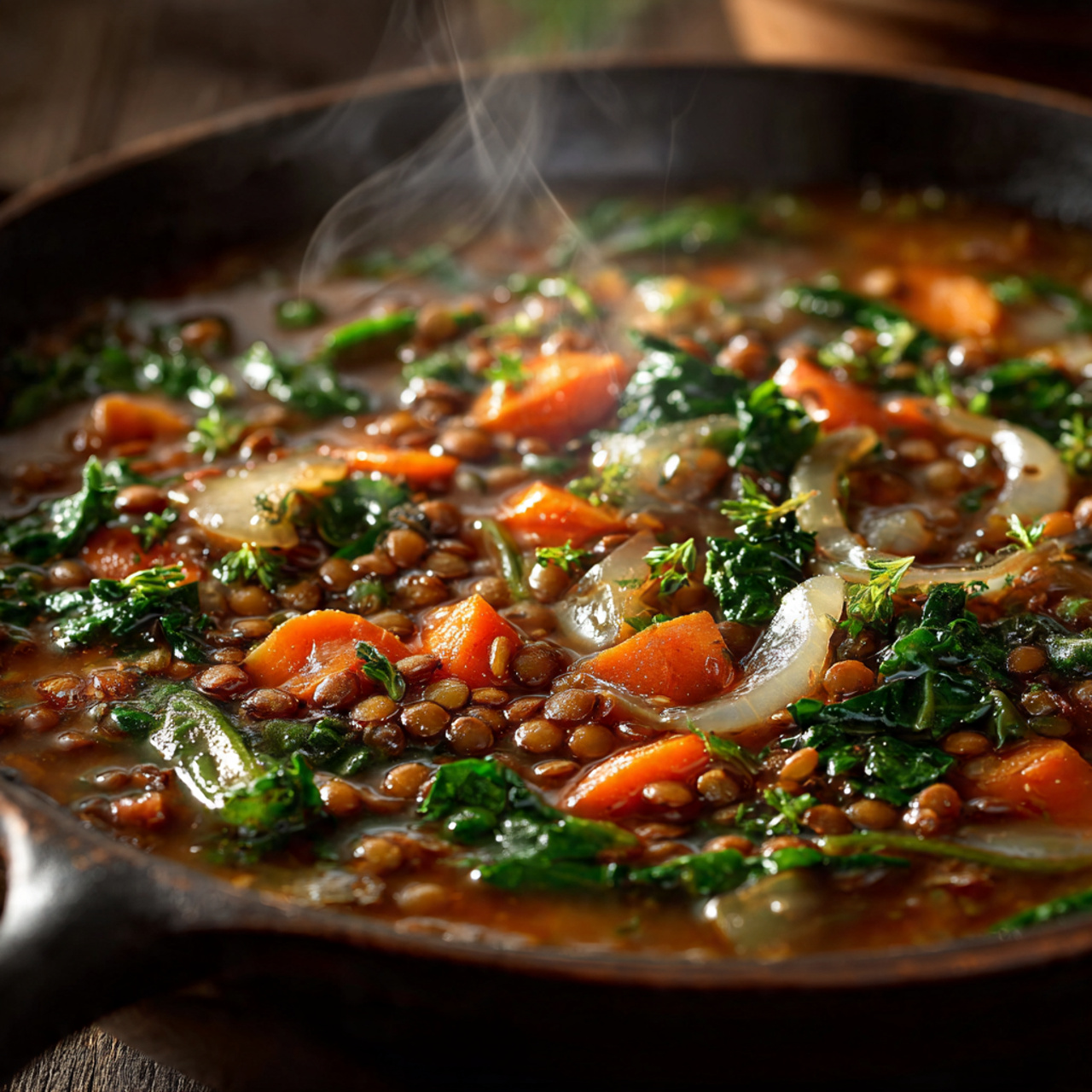
Lentils were intimidating to me at first, but they quickly became a favorite. They cook relatively fast and provide plant-based protein that keeps meals filling.
They work well in one-pot meals, which reduces cleanup and helps beginners stay confident and relaxed in the kitchen.
Preventing mushy texture while cooking lentils
Overcooked lentils can ruin a dish. Learning proper timing and liquid control makes a huge difference.
Rinse lentils well, avoid excessive water, and simmer gently. Checking them early prevents mushiness and keeps texture pleasant and satisfying.
Making leftovers taste even better the next day
Lentil meals often improve with time. Flavors deepen as they sit, making leftovers something to look forward to.
Store them properly and reheat gently. Adding a splash of water or oil refreshes texture without losing flavor.
Simple Tips to Make Vegetarian Meals More Flavorful
Flavor plays a bigger role in vegetarian meals because vegetables rely on seasoning to shine. Once you understand a few simple principles, even the most basic ingredients start tasting intentional and satisfying.
Key seasoning essentials to keep on hand include:
- Salt, helps bring out natural flavors when added early
- Garlic and onions, create a strong flavor base
- Black pepper and paprika, add warmth and depth
- Dried herbs, improve aroma and balance
Using these regularly builds confidence and consistency.
Another overlooked flavor booster is acidity. A small amount added at the end prevents meals from tasting flat and heavy.
Helpful acidic additions include:
- Lemon or lime juice
- Apple cider or balsamic vinegar
- Plain yogurt
These brighten flavors without adding complexity.
Cooking methods that improve taste and texture
The way vegetables are cooked directly affects how satisfying a meal feels. Gentle heat alone often leads to bland results, while the right method builds flavor naturally.
Cooking techniques that improve vegetarian meals include:
- Roasting, creates caramelization and natural sweetness
- Sautéing, builds layered flavor starting with aromatics
- Pan-searing, adds texture and light crispness
Each method brings out different qualities in vegetables.
Patience matters more than skill. Giving vegetables space in the pan and allowing them to brown instead of steam makes a noticeable difference.
Simple habits that improve results:
- Avoid overcrowding the pan
- Let vegetables sit before stirring
- Use medium to high heat when appropriate
These small adjustments turn simple vegetarian meals into flavorful, enjoyable dishes.
Conclusion
Vegetarian cooking does not need to feel overwhelming or restrictive. With simple recipes and familiar ingredients, it becomes approachable and enjoyable. These beginner-friendly meals focus on balance, flavor, and ease, helping you build confidence one dish at a time.
When food feels satisfying and realistic, sticking with vegetarian eating becomes natural. Over time, these simple habits turn into a routine that supports both your health and your enjoyment of food.