How to Make Your Meals Last Longer Without Cooking Excess
I used to think saving money on food meant cooking huge amounts every time, but most of the extra food either went bad or became boring after a few days. Once I learned how to stretch meals properly without overcooking, grocery shopping became cheaper, easier, and far less wasteful.
Understand the Difference Between Portion Control and Cooking Too Little
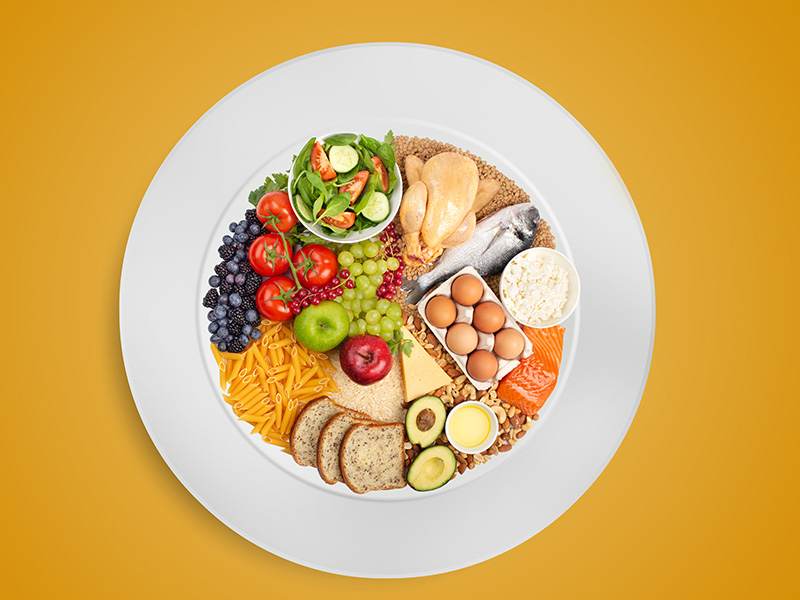
One mistake many people make is assuming smaller portions automatically save money. In reality, cooking too little often leads to extra snacking, takeout orders, or cooking another meal later.
The goal is not tiny portions, it is creating balanced meals that actually satisfy you.
Learn Your Household Eating Habits
Every household eats differently, which is why copying random portion sizes online rarely works perfectly.
Pay attention to:
- How much rice your family actually eats
- Which leftovers get finished
- Which meals disappear quickly
- Foods that stay untouched in the fridge
I started noticing patterns after a few weeks, and it helped me stop guessing while cooking.
Avoid Serving Food Straight From the Pot
Serving food directly from the cooking pot usually leads to oversized portions without realizing it.
Instead, portion meals onto plates first. This simple habit helps meals stretch further while reducing unnecessary overeating.
It also makes leftovers easier to save immediately instead of forgetting about them later.
Build Balanced Plates Instead of Oversized Portions
Meals often feel more satisfying when balanced properly.
A balanced plate usually includes:
- Protein
- Carbohydrates
- Vegetables
- Healthy fats
When meals feel balanced, people naturally stay fuller longer and waste less food later.
Cook Flexible Meals That Can Be Reused in Different Ways
Flexible meals changed the way I cook completely because they reduced both boredom and waste.
Instead of cooking highly specific meals that only work once, I started preparing ingredients that could become several different dishes throughout the week.
Why Flexible Meals Work Better
Flexible meals save money because ingredients get reused instead of forgotten.
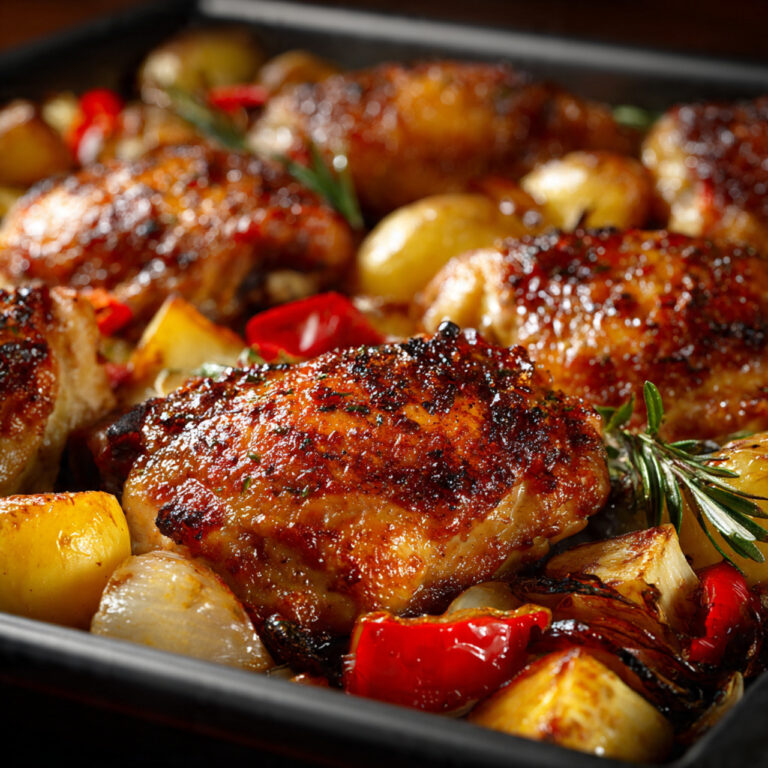
For example, cooked chicken can become:
- Rice bowls
- Wraps
- Pasta dishes
- Sandwiches
- Salads
The same ingredient feels different depending on how you season or serve it.
Cook Ingredients Instead of Full Meals Sometimes
One habit that helped me waste less food was cooking ingredients separately rather than fully combining everything immediately.
Helpful prep ingredients include:
- Cooked rice
- Roasted vegetables
- Grilled chicken
- Pasta
- Beans
This method gives you more freedom during the week without feeling stuck eating the exact same meal repeatedly.
Change Sauces and Seasonings
Simple flavor changes can completely transform leftovers.
Easy flavor boosters include:
- Teriyaki sauce
- Hot sauce
- Garlic butter
- Curry seasoning
- Ranch dressing
- Soy sauce
A plain chicken bowl one day can become a spicy wrap or pasta dish the next.
Use Leftovers Strategically Instead of Letting Them Go to Waste
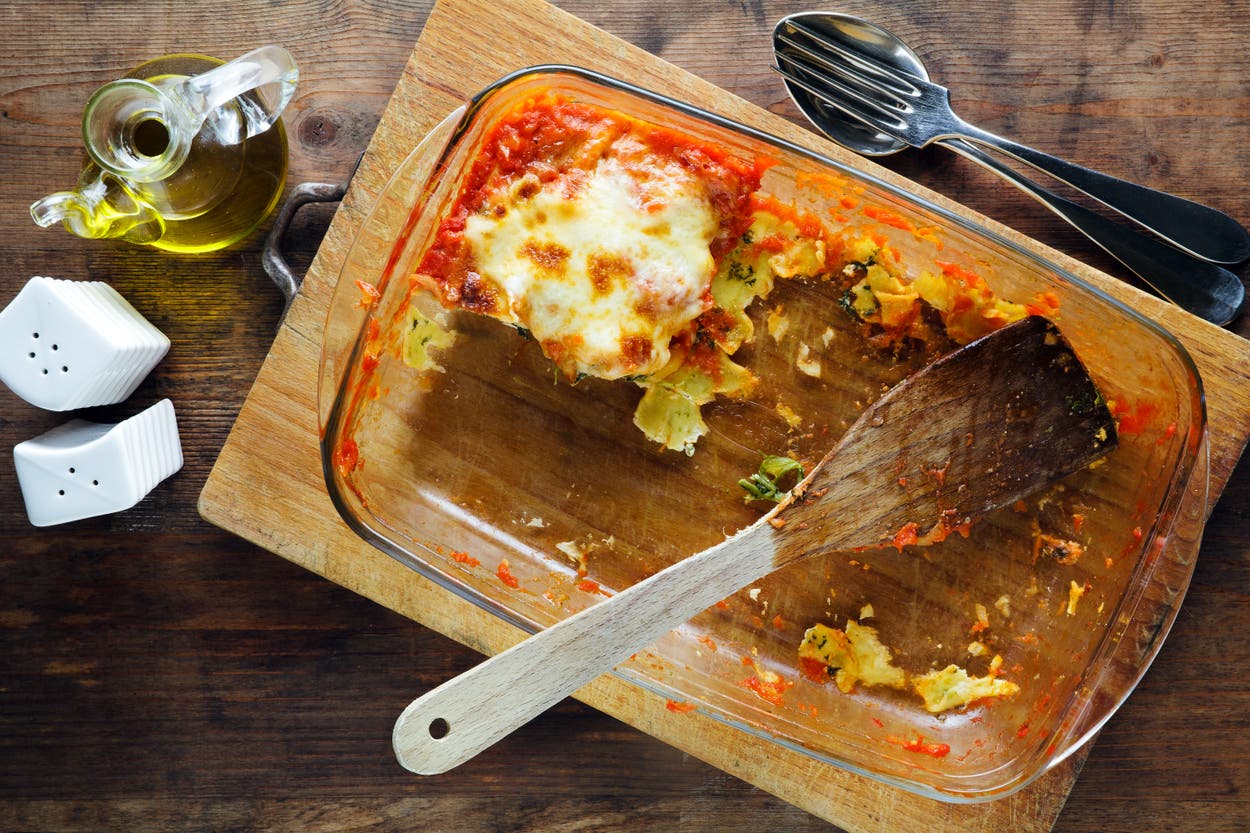
Leftovers only save money when they actually get eaten. For a long time, I kept forgetting leftovers existed until they spoiled in the back of the fridge.
Once I started organizing leftovers better, I wasted far less food every week.
Store Leftovers Properly
Good storage makes a huge difference in freshness and convenience.
Helpful storage habits include:
- Using clear containers
- Labeling food with dates
- Refrigerating meals quickly
- Keeping portions easy to grab
Clear containers especially helped me because I could immediately see what needed to be eaten first.
Create a Leftover Night Each Week
One of the easiest habits I adopted was creating a dedicated leftover dinner night.
This prevents small portions from piling up until nothing feels usable anymore.
Leftover nights also reduce cooking stress during busy weeks because dinner is already prepared.
Turn Leftovers Into New Meals
Leftovers feel less boring when transformed into something different.
Simple ideas include:
- Rice becomes fried rice
- Roasted vegetables become wraps
- Chicken becomes tacos
- Pasta becomes baked pasta
Sometimes changing the texture or seasoning makes leftovers feel almost brand new.
Add Affordable Side Dishes to Make Meals Go Further
Side dishes are one of the easiest ways to stretch meals without cooking massive portions of expensive ingredients.
I realized many meals felt incomplete simply because they lacked simple sides that added fullness and variety.
Cheap Side Dishes That Work Well
Affordable side dishes include:
- Rice
- Bread
- Roasted potatoes
- Salad
- Soup
- Pasta
- Frozen vegetables
These foods help meals feel larger without dramatically increasing grocery costs.
Soup Is One of the Best Meal Stretchers
Soup became one of my favorite budget tools because it fills people up surprisingly fast.
Simple soups made from:
- Potatoes
- Lentils
- Vegetables
- Pasta
- Beans
can stretch dinner much further without requiring expensive ingredients.
Even a small bowl of soup before dinner often reduces how much food people need afterward.
Use Vegetables More Creatively
Vegetables do not always need to be side salads.
Easy vegetable sides include:
- Roasted carrots
- Garlic broccoli
- Stir-fried cabbage
- Butter corn
- Seasoned green beans
Seasoning vegetables properly makes them feel much more satisfying and less like an afterthought.
Learn How to Portion Meals Before Eating
Portioning meals properly helped me waste less food almost immediately.
Before learning this habit, I often cooked huge amounts simply because I worried food would not feel filling enough.
Portion Food Before Sitting Down
Instead of placing large serving dishes on the table, portion meals in the kitchen first.
This creates more awareness around how much food is actually necessary.
It also protects leftovers from being picked apart until they no longer feel usable for another meal.
Save Extra Portions Immediately
One trick that worked surprisingly well was packing leftovers into containers immediately after cooking.
This prevents overeating while also making future meals easier.
Helpful leftover containers include:
- Glass meal prep containers
- Small plastic containers
- Reusable freezer containers
Pre-portioned leftovers also become quick lunches during busy days.
Understand Realistic Portion Sizes
Many people accidentally cook too much rice, pasta, or meat simply because portion sizes are difficult to estimate.
Over time, you start learning realistic amounts based on your household.
A measuring cup helped me understand portions much better during the beginning.
Use Freezer-Friendly Ingredients and Meals
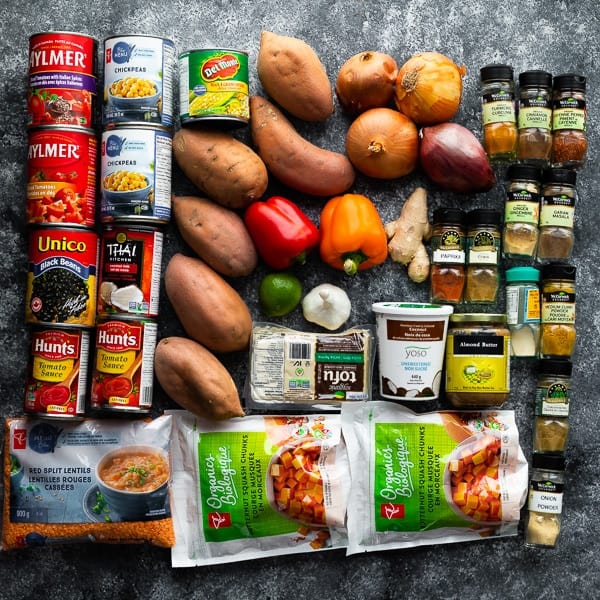
Freezers save more money than most people realize. Before using my freezer properly, I wasted lots of fresh ingredients that spoiled before getting used.
Now freezing ingredients has become one of my favorite ways to make meals last longer.
Foods That Freeze Well
Some foods freeze surprisingly well:
- Rice
- Bread
- Cooked chicken
- Soups
- Pasta sauce
- Vegetables
- Burritos
Having freezer meals available also reduces the temptation to order expensive takeout.
Freeze Ingredients in Small Portions
Large frozen containers are less practical because thawing everything at once can create more waste later.
Smaller portions work better because you only use what you need.
I started freezing cooked rice in small bags, and it made quick meals much easier during busy evenings.
Label Everything Clearly
It sounds simple, but labeling frozen food prevents confusion later.
Helpful labels include:
- Food name
- Freezing date
- Portion size
Without labels, frozen containers often become mystery meals nobody wants to touch.
Buy Ingredients That Have Multiple Uses
Versatile ingredients are one of the smartest ways to reduce food waste and make meals stretch further.
The more ways you can use one ingredient, the less likely it is to spoil unused.
Focus on Multi-Purpose Ingredients
Some of the most useful kitchen staples include:
- Eggs
- Rice
- Potatoes
- Chicken
- Cheese
- Tortillas
- Pasta
These ingredients work across breakfast, lunch, dinner, and snacks.
For example, tortillas can become wraps, quesadillas, breakfast burritos, or homemade pizzas.
Avoid Buying Too Many Specialty Ingredients
Specialty ingredients often seem exciting in recipes, but they frequently get used once and forgotten afterward.
I wasted lots of money buying sauces and ingredients for one specific recipe that never got used again.
Simple ingredients usually create less waste because they fit into more meals naturally.
Reuse Ingredients Across the Week
Planning meals around overlapping ingredients helps food last longer.
For example:
- Chicken for salads and rice bowls
- Spinach for pasta and eggs
- Rice for stir-fry and burritos
- Bread for sandwiches and toast
This approach keeps groceries practical and affordable.
Create Meals That Feel Filling Without Cooking Too Much

One reason people overcook is fear that meals will not feel satisfying enough.
I used to cook huge portions because I worried everyone would still feel hungry afterward.
Eventually I realized that meal balance matters more than massive quantities.
Combine Different Textures
Meals feel more satisfying when they include texture variety.
Helpful textures include:
- Crunchy vegetables
- Soft rice
- Crispy bread
- Creamy sauces
Texture creates a more enjoyable eating experience without requiring huge amounts of food.
Add Foods That Increase Fullness
Certain foods naturally help meals feel more filling.
Examples include:
- Potatoes
- Oats
- Rice
- Beans
- Eggs
These ingredients help stretch meals affordably while keeping hunger away longer.
Slow Down During Meals
Eating too quickly often leads to larger portions without realizing it.
Slowing down during meals helps people recognize fullness before overeating.
This habit alone helped reduce unnecessary second servings in my kitchen.
Final Thoughts
Making meals last longer is not about eating tiny portions or constantly feeling restricted. It is about using ingredients wisely, planning smarter, and building meals that actually satisfy people without creating unnecessary waste.
Once I started focusing on flexible meals, proper storage, portion control, and freezer-friendly habits, food lasted much longer naturally. Small changes like these may seem simple at first, but over time they save money, reduce stress, and make everyday cooking feel much easier to manage.