6 Low-Sugar Dessert Recipes for People Who May be Diabetic
Having diabetes or being pre-diabetic doesn’t mean you have to give up dessert forever. I know how frustrating it feels to watch everyone else enjoy something sweet while you sit it out. But the truth is, with the right ingredients and a few smart swaps, you can still have dessert without wrecking your blood sugar. These 6 recipes are proof of that.
1 – Almond Flour Chocolate Brownies
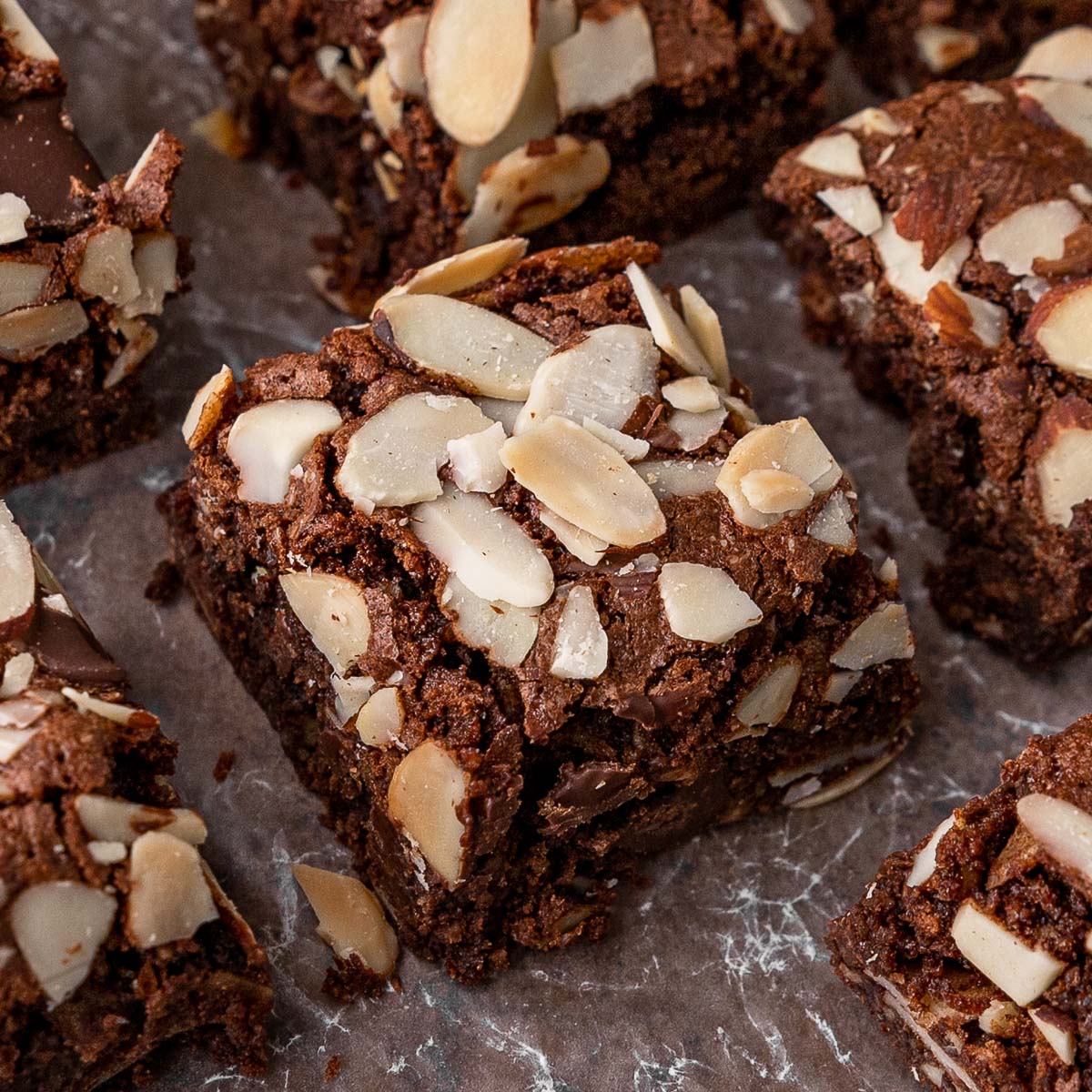
These brownies were the first thing I made when I started looking for diabetic-friendly desserts, and they genuinely surprised me. Rich, fudgy, and chocolatey. Nobody would guess they’re low-sugar.
Why It Works
Almond flour is the base here instead of regular white flour. It has a much lower glycemic index, meaning it doesn’t cause the same sharp blood sugar rise that traditional flour does. It also adds a natural richness to the texture.
Dark chocolate (85% cocoa or higher) is used instead of milk chocolate or sugar-laden cocoa mixes. The higher the cocoa percentage, the lower the sugar content, and dark chocolate also contains antioxidants that are actually good for you.
What’s in It
- 1.5 cups almond flour
- Half a cup of unsweetened cocoa powder
- 3 tbsp erythritol or monk fruit sweetener
- 3 large eggs
- Quarter cup of melted coconut oil
- 1 tsp vanilla extract
- Half a tsp baking powder
- A pinch of salt
- 2 squares of 85% dark chocolate, roughly chopped (optional for texture)
How to Make It
Preheat your oven to 175°C (350°F) and line a small baking tin with parchment paper.
Mix the almond flour, cocoa powder, erythritol, baking powder, and salt in a bowl. In a separate bowl, whisk together the eggs, melted coconut oil, and vanilla extract. Combine the wet and dry ingredients and stir until smooth. Fold in the dark chocolate chunks if using.
Pour the batter into the tin and bake for 20 to 22 minutes. Let it cool completely before slicing. These are actually better the next day once they’ve set properly.
Serves: 12 small squares | Prep time: 10 mins | Cook time: 22 mins
2 – Greek Yogurt Berry Parfait with Chia Seeds

This one barely feels like a recipe because it’s so simple to put together. But it’s one of the most satisfying low-sugar desserts you can make, and it’s also genuinely nutritious.
Why It Works
Plain Greek yogurt is high in protein and much lower in sugar than flavoured versions. Protein helps slow glucose absorption after eating, which is exactly what you want when managing blood sugar.
Berries are some of the lowest-sugar fruits available. Strawberries, blueberries, and raspberries are all relatively low on the glycemic index and packed with antioxidants and fibre. Chia seeds add extra fibre and omega-3 fatty acids, both of which support better blood sugar control.
What’s in It
- 1 cup plain full-fat or low-fat Greek yogurt
- Half a cup of mixed berries (fresh or frozen and thawed)
- 1 tbsp chia seeds
- Half a tsp vanilla extract
- 1 tsp monk fruit sweetener or stevia drops (optional)
- A small handful of crushed unsalted almonds for crunch
How to Make It
Stir the vanilla extract and sweetener into the Greek yogurt. Layer half the yogurt into a glass or bowl, add half the berries, then repeat with the remaining yogurt and berries.
Sprinkle the chia seeds and crushed almonds over the top. Serve immediately or cover and refrigerate for up to a day. The chia seeds soften slightly overnight and make it even creamier.
Serves: 1 to 2 | Prep time: 5 mins | No cooking required
3 – Baked Cinnamon Pears with Crushed Walnuts

This is the kind of dessert that feels elegant and warming, especially in cooler months. It’s naturally sweetened, requires minimal ingredients, and the cinnamon does a lot of the heavy lifting on flavour.
Why It Works
Pears have a moderate glycemic index but are high in fibre, particularly pectin, which slows sugar digestion. Baking them brings out their natural sweetness without adding any sugar at all.
Cinnamon is genuinely helpful for people managing blood sugar. Research suggests it can improve insulin sensitivity and help lower fasting blood sugar levels. It also makes this dessert taste like something much more indulgent than it actually is.
Walnuts add healthy fats and protein, both of which help buffer any sugar impact from the pears.
What’s in It
- 2 ripe but firm pears, halved and cored
- 1 tsp ground cinnamon
- Half a tsp vanilla extract
- 1 tsp coconut oil, melted
- A small handful of crushed walnuts
- Optional: a drizzle of stevia-sweetened maple syrup alternative
How to Make It
Preheat your oven to 180°C (360°F). Place the pear halves cut-side up on a baking tray.
Mix together the melted coconut oil, cinnamon, and vanilla extract. Brush or spoon the mixture over each pear half. Bake for 20 to 25 minutes until the pears are soft and golden at the edges.
Remove from the oven and top with crushed walnuts. Serve warm, with a small drizzle of stevia maple alternative if you want extra sweetness. Simple, beautiful, and kind to blood sugar.
Serves: 2 to 4 | Prep time: 5 mins | Cook time: 25 mins
4 – Avocado Chocolate Mousse
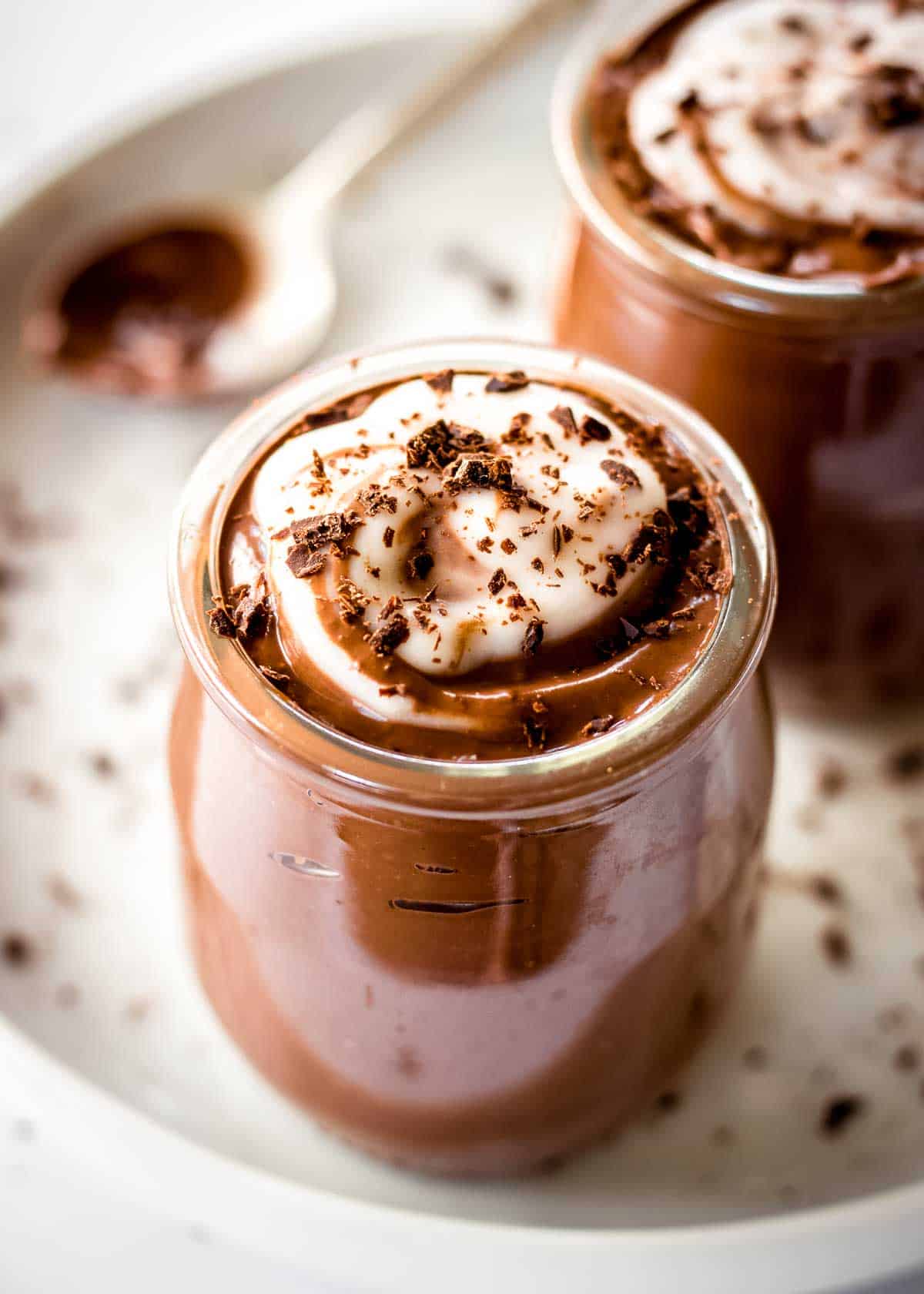
This is the one that always gets the most surprised reactions. People hear avocado and chocolate mousse in the same sentence and raise an eyebrow. But one spoonful later, they’re always converted.
Why It Works
Avocado creates an incredibly creamy, thick mousse base without any cream or sugar. It’s rich in healthy monounsaturated fats, which help slow digestion and reduce post-meal blood sugar spikes.
Unsweetened cocoa powder delivers deep chocolate flavour with very little sugar. Combined with a natural sweetener like stevia or monk fruit, this mousse tastes genuinely rich and indulgent while keeping the glycemic load very low.
What’s in It
- 2 ripe avocados
- 3 tbsp unsweetened cocoa powder
- 3 to 4 tbsp monk fruit sweetener or stevia, adjusted to taste
- Half a tsp vanilla extract
- 3 to 4 tbsp unsweetened almond milk (to adjust consistency)
- A pinch of salt
- Fresh raspberries or mint leaves to serve
How to Make It
Scoop the avocado flesh into a blender or food processor. Add the cocoa powder, sweetener, vanilla extract, almond milk, and salt. Blend until completely smooth and creamy. Taste and adjust sweetness as needed.
Spoon into small glasses or ramekins and refrigerate for at least 30 minutes before serving. The mousse firms up slightly in the fridge and the flavour deepens. Top with a few fresh raspberries or a mint leaf.
Serves: 3 to 4 | Prep time: 10 mins | Chill time: 30 mins
5 – Coconut Flour Banana Muffins
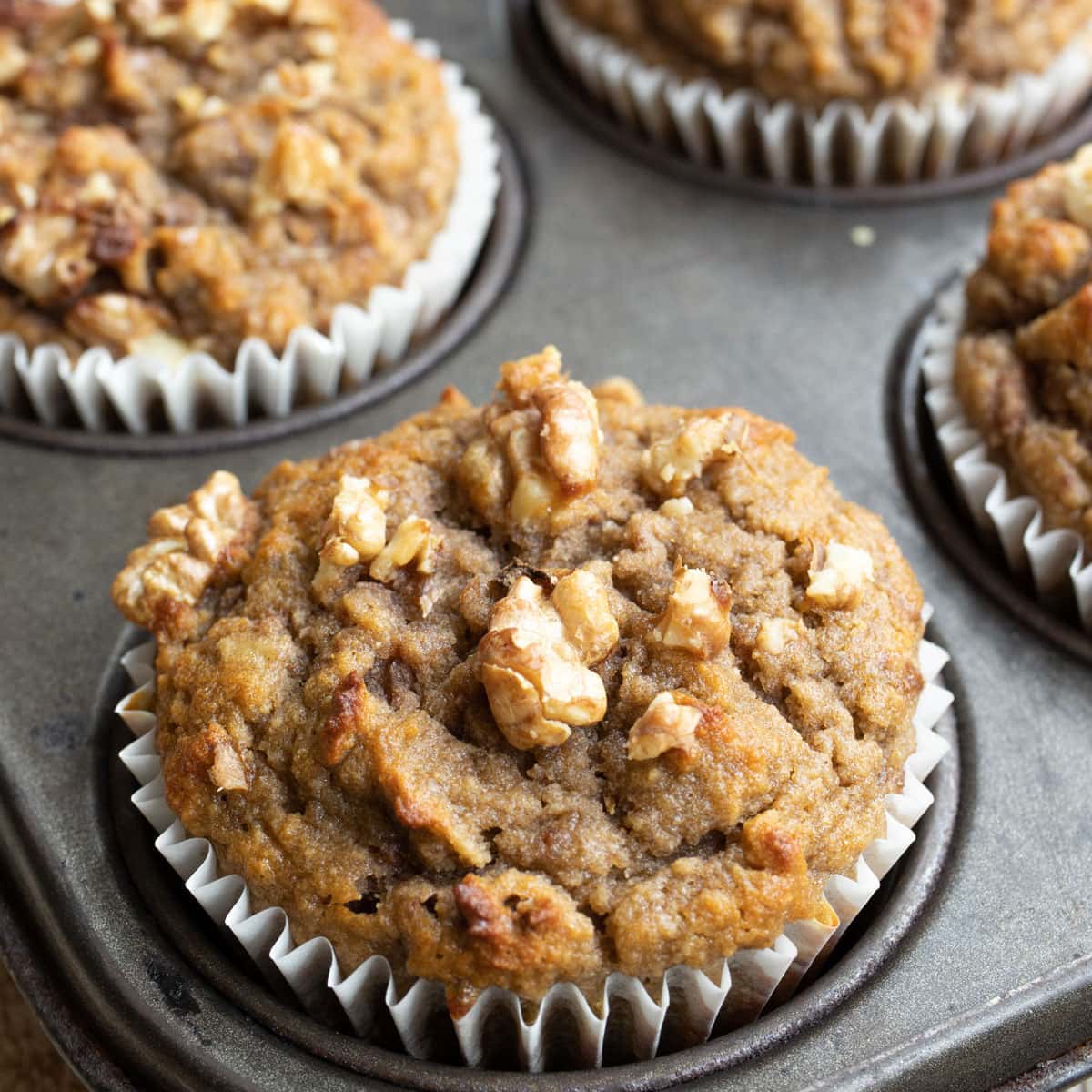
These muffins are the kind of thing you make on a Sunday and eat throughout the week. They’re naturally sweetened, soft, and satisfying, and they hold up really well in the fridge for days.
Why It Works
Coconut flour has a significantly lower glycemic index than regular flour and is very high in fibre. A little goes a long way in baking, which also means less overall carbohydrate per serving.
Ripe bananas provide natural sweetness, which means very little or no added sweetener is needed. While bananas do contain natural sugars, the fibre in coconut flour slows how quickly that sugar hits the bloodstream.
What’s in It
- 2 very ripe bananas, mashed
- Half a cup of coconut flour
- 4 large eggs
- 3 tbsp melted coconut oil
- 1 tsp baking powder
- 1 tsp ground cinnamon
- Half a tsp vanilla extract
- A pinch of salt
- 1 tbsp erythritol (optional, depending on how sweet your bananas are)
- Chopped walnuts or pecans for topping (optional)
How to Make It
Preheat your oven to 175°C (350°F) and line a muffin tin with paper cases.
In a large bowl, whisk together the eggs, mashed bananas, melted coconut oil, and vanilla extract until well combined. Add the coconut flour, baking powder, cinnamon, salt, and erythritol if using. Stir until a thick batter forms.
Spoon evenly into 8 muffin cases. Top each one with a few chopped walnuts if desired. Bake for 18 to 20 minutes until golden and a skewer comes out clean. Allow to cool before eating. These keep well in an airtight container for up to 4 days.
Serves: 8 muffins | Prep time: 10 mins | Cook time: 20 mins
6 – Frozen Mango and Coconut Nice Cream
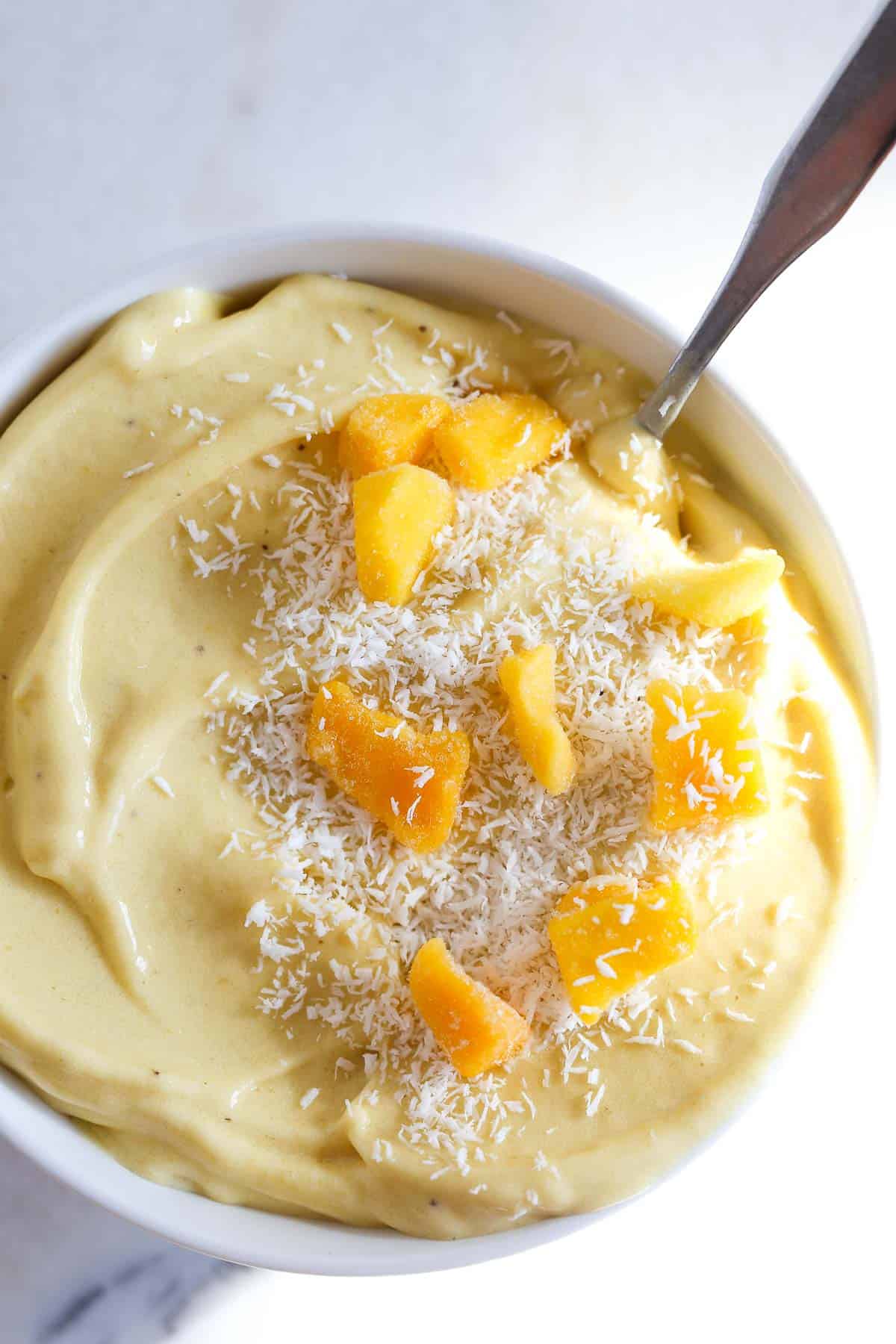
Nice cream is one of those things that sounds too good to be true. It looks like ice cream, it tastes like ice cream, but it’s made entirely from frozen fruit and has no added sugar whatsoever.
Why It Works
Frozen mango blends into a smooth, creamy texture that genuinely mimics ice cream. Mango does contain natural sugars, but the portion size here is small, and the absence of added sugar or dairy makes it a far better option than traditional ice cream.
Coconut cream adds richness and a tropical depth of flavour while also providing healthy fats that slow how quickly the natural fruit sugars are absorbed. This small detail makes a real difference in how the dessert affects blood sugar.
What’s in It
- 2 cups frozen mango chunks
- 3 tbsp full-fat coconut cream
- Juice of half a lime
- Half a tsp vanilla extract
- Optional: a few fresh mint leaves to serve
How to Make It
Let the frozen mango sit at room temperature for about 5 minutes to soften slightly. Add it to a food processor along with the coconut cream, lime juice, and vanilla extract.
Blend until completely smooth and creamy, scraping down the sides as needed. This takes about 2 to 3 minutes of blending. Taste and adjust the lime juice if needed.
Serve immediately for a soft-serve texture, or transfer to a freezer-safe container and freeze for 1 to 2 hours for a firmer scoop. Scoop into bowls, top with fresh mint, and enjoy.
Serves: 2 to 3 | Prep time: 10 mins | Freeze time: optional
Conclusion
Here’s the honest truth: having diabetes or being pre-diabetic doesn’t mean you’re banned from sweetness for life. It just means you have to be a little smarter about where that sweetness comes from.
These 6 recipes show that with the right ingredients, the right sweeteners, and a bit of creativity, dessert can still be something you look forward to without the stress or the blood sugar spike that follows.
A few things to keep in mind as you start cooking:
- Always choose low-GI ingredients like almond flour, coconut flour, and whole fruits over refined flour and added sugar.
- Use natural low-impact sweeteners like stevia, monk fruit, or erythritol wherever a recipe calls for sweetness.
- Pair desserts with protein or fibre when possible to slow sugar absorption. A handful of nuts alongside your dessert goes a long way.
- Watch portion sizes. Even low-sugar desserts can add up if you eat them in large quantities.
- Check in with your body. Everyone’s blood sugar responds a little differently. Pay attention to how you feel after each recipe and adjust accordingly.
Start with whichever recipe appeals to you most. Make it once, taste it, and see how your body responds. Chances are you’ll be surprised by how satisfying eating well can actually be, without sacrificing the sweet moments that make life enjoyable.